

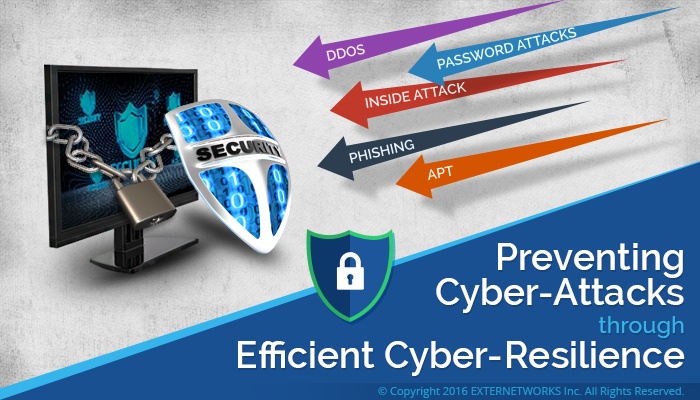
Cyber attacks are increasing at a rapid pace as more people and businesses move their activities online. From phishing scams and ransomware to data breaches and identity theft, cyber criminals are becoming more advanced and harder to detect. In today’s digital world, even a small mistake can expose sensitive information, making cybersecurity more important than ever. Understanding how these attacks work and how to protect yourself is the first step toward staying safe online.
Understanding the Growing Threat of Cyber Attacks
The Rise of Digital Crime Worldwide
Cyber attacks have become a global issue as hackers target individuals, businesses, and even government systems. With increasing internet usage, attackers now have more opportunities to exploit weak security systems. This rise is driven by digital transformation, remote work culture, and the growing value of personal data. Cybercrime is no longer limited to large organizations; everyday users are now common targets.
Common Types of Cyber Attacks
Cyber attacks come in many forms, including phishing emails, malware infections, ransomware attacks, and data theft. Each method is designed to trick users or exploit system vulnerabilities. Phishing remains one of the most common techniques, where attackers impersonate trusted sources to steal sensitive information. Understanding these threats helps users identify risks before they cause damage.
Why Cybersecurity Awareness Matters
Cybersecurity awareness plays a critical role in reducing online risks. Many attacks succeed not because of advanced hacking techniques, but due to human error. Simple actions like clicking unknown links or using weak passwords can lead to serious consequences. Awareness helps users develop safer online habits and reduces the chances of falling victim to cybercrime.
Key Weak Points That Hackers Commonly Exploit
Weak Password Practices
One of the biggest security weaknesses is the use of simple or repeated passwords. Many users still rely on easy-to-guess combinations, making it easier for hackers to gain access to accounts. Strong password practices, including unique and complex combinations, are essential for protecting digital identity. Password reuse across platforms further increases the risk of multiple account breaches.
Unsecured Devices and Networks
Devices without proper security updates or antivirus protection are easy targets for cybercriminals. Public Wi-Fi networks also pose a serious threat, as they can be intercepted by attackers to steal sensitive data. Without proper encryption and security settings, personal information becomes vulnerable to unauthorized access.
Phishing and Social Engineering Attacks
Phishing remains one of the most effective cyber attack methods because it targets human behavior rather than technology. Attackers often create fake emails, messages, or websites that appear legitimate. Social engineering techniques manipulate users into revealing confidential information such as passwords, banking details, or verification codes.
Effective Ways to Stay Fully Protected Online
Using Strong Cybersecurity Tools
Modern cybersecurity tools like antivirus software, firewalls, and malware protection systems provide a strong first line of defense. These tools help detect and block suspicious activity before it causes harm. Regular updates ensure that the system remains protected against the latest threats. Using reliable security software is essential for both personal and professional devices.
Practicing Safe Online Habits
Safe online behavior is one of the most powerful defenses against cyber attacks. Avoid clicking unknown links, downloading unverified files, or sharing sensitive information on unsecured platforms. Being cautious while browsing, especially on unfamiliar websites, significantly reduces exposure to online threats and potential scams.
Keeping Systems and Software Updated
Outdated software often contains security vulnerabilities that hackers can exploit. Regular updates patch these weaknesses and improve overall system security. Operating systems, applications, and browsers should always be kept up to date to ensure maximum protection against cyber threats.
Building Long-Term Cybersecurity Protection
Enabling Multi-Factor Authentication
Multi-factor authentication (MFA) adds an extra layer of security by requiring additional verification beyond a password. This may include a code sent to a mobile device or an authentication app. Even if a password is compromised, MFA prevents unauthorized access and strengthens account security significantly.
Regular Monitoring of Digital Activity
Monitoring account activity helps detect suspicious behavior early. Unusual login attempts, unknown devices, or unexpected transactions may indicate a security breach. Early detection allows users to take immediate action, reducing potential damage and protecting sensitive data from further exposure.
Educating Yourself Continuously About Cyber Threats
Cybersecurity is constantly evolving, and staying informed is essential. New threats emerge regularly, requiring users to update their knowledge and safety practices. Continuous learning helps individuals and businesses stay ahead of attackers and maintain strong digital protection strategies over time.
FAQs
1. What are cyber attacks?
Cyber attacks are malicious attempts to access, damage, or steal data from digital systems.
2. How can I protect myself from cyber attacks?
Use strong passwords, update software regularly, and enable security tools like antivirus and MFA.
3. What is phishing in cyber security?
Phishing is a scam where attackers trick users into sharing sensitive information through fake messages or websites.
4. Why are cyber attacks increasing?
Cyber attacks are rising due to increased internet usage and the growing value of digital data.
5. Is antivirus enough for protection?
Antivirus is important but should be combined with safe browsing habits and system updates for full protection.
Conclusion
Cyber attacks are increasing rapidly, making cybersecurity an essential part of modern digital life. Protecting yourself requires a combination of strong tools, safe online behavior, and continuous awareness. By following proper security practices and staying informed about new threats, individuals and businesses can significantly reduce their risk and maintain a safe digital environment.
