

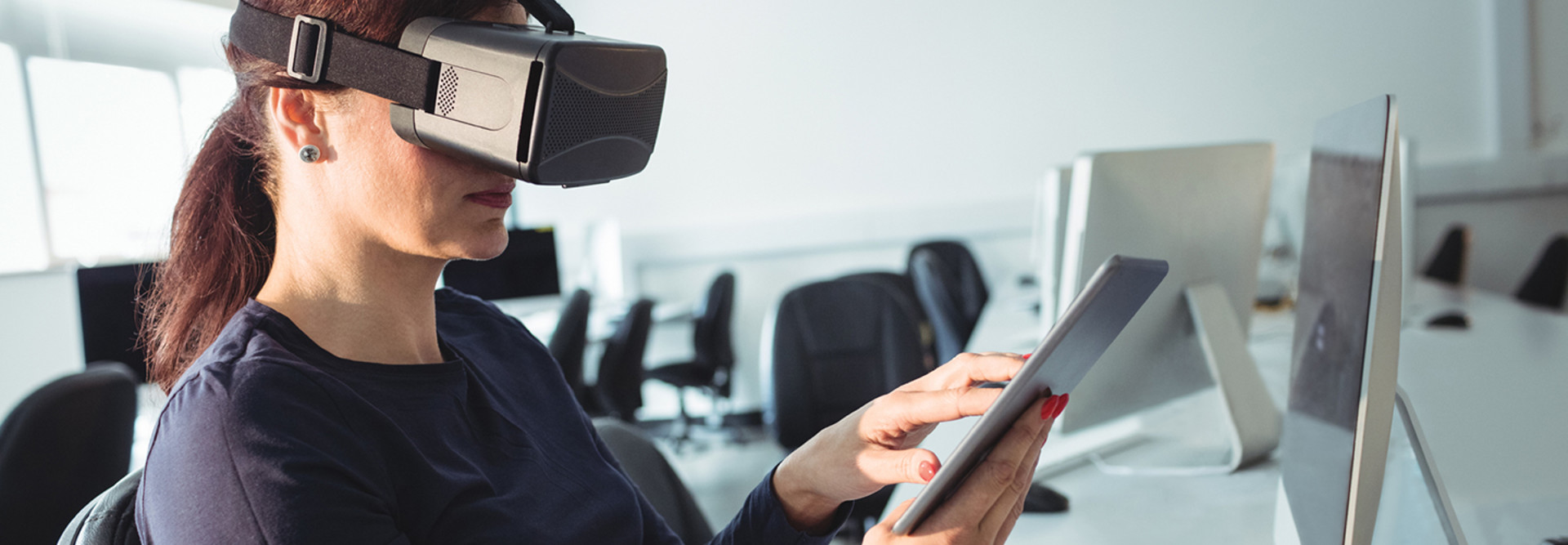
The world of technology is changing faster than ever before, and a new wave of innovation is quietly preparing to replace the devices we use every day. Smartphones, laptops, tablets, and even smart home gadgets are evolving into something more powerful, more connected, and more intelligent. This shift is not just an upgrade—it is a complete transformation of how we interact with digital tools in our daily lives. Understanding this emerging technology is important because it will shape how we work, communicate, and live in the near future.
The Rise of Next-Generation Wearable Computing
From Screens to Seamless Wearable Experiences
Next-generation wearable computing is moving technology away from traditional screens and into lightweight, always-accessible devices. Instead of depending on smartphones or laptops, users will interact through smart glasses, AI-powered earbuds, and other wearable systems. These devices aim to provide information instantly without needing to unlock or open anything. This shift is designed to make digital interaction more natural and less distracting, allowing users to stay connected while staying focused on real-world activities.
AI Integration in Everyday Wearables
Artificial intelligence is becoming the core of wearable technology. Modern devices are now able to understand voice commands, predict user needs, and respond in real time. This makes wearables more than just accessories—they become personal assistants that learn from behavior patterns. As AI continues to improve, wearable devices will handle tasks like navigation, messaging, scheduling, and information search without requiring manual input, making daily life more efficient and streamlined.
Why Wearables Are Replacing Traditional Devices
Wearables are gaining attention because they remove the need to constantly carry or check multiple devices. Instead of switching between phone, laptop, and tablet, users can rely on one connected ecosystem. This reduces friction in communication and improves productivity. The convenience, speed, and hands-free experience make wearable computing a strong replacement for many traditional digital devices.
Artificial Intelligence as the New Operating System
AI-Powered Devices Are Becoming the Standard
Artificial intelligence is no longer just a feature—it is becoming the foundation of modern devices. New systems are being designed where AI acts as the main operating layer, managing apps, data, and interactions automatically. This reduces the need for complex interfaces and allows users to interact with technology in a more natural way. The shift toward AI-driven systems is one of the biggest changes in the digital world.
Predictive Technology Changing User Behavior
One of the most powerful aspects of AI is its ability to predict user needs before they are even expressed. Devices can now analyze patterns such as habits, preferences, and routines to provide suggestions in real time. This predictive capability reduces effort and saves time, making technology feel more intuitive and responsive. As this improves, users will rely less on manual input and more on automated assistance.
How AI Reduces Dependency on Multiple Devices
With AI handling multiple functions at once, the need for separate devices is decreasing. Instead of using different tools for communication, entertainment, and productivity, AI systems combine everything into a single smart interface. This convergence simplifies digital life and reduces the need to upgrade multiple devices frequently, pointing toward a future where one intelligent system replaces many traditional tools.
The Future of Cloud-Based Personal Ecosystems
Moving from Physical Storage to Cloud Intelligence
Cloud technology is evolving from simple storage into full digital ecosystems. Instead of saving files on individual devices, everything will be stored, processed, and accessed through the cloud. This means users will no longer depend on a single device for their data. Any connected device will be able to access personal information instantly, creating a seamless digital experience.
Device Independence Through Cloud Access
One of the biggest advantages of cloud-based systems is device independence. Users will not be tied to a specific smartphone or laptop because their entire digital environment will exist online. This allows people to switch devices without losing data or settings. It also reduces the importance of hardware upgrades, as most processing happens in the cloud rather than on the device itself.
Security and Privacy in Cloud-Driven Systems
As cloud systems become more powerful, security becomes a major focus. Advanced encryption, biometric authentication, and AI-based threat detection are being used to protect user data. These improvements ensure that even though data is stored remotely, it remains safe and accessible only to authorized users. This builds trust in cloud ecosystems and supports their rapid adoption.
Smart Interfaces and the End of Traditional Screens
Voice and Gesture-Based Interaction Systems
Future devices are moving beyond touchscreens and keyboards. Voice commands and gesture-based controls are becoming more advanced and accurate. Users will be able to control devices using natural speech or simple hand movements, reducing the need for physical interaction with screens. This creates a more intuitive and accessible user experience.
Augmented Reality as the New Display Layer
Augmented reality is transforming how information is displayed. Instead of looking at flat screens, users will see digital content integrated into the real world. This allows information to appear in real time within the user’s environment. It also removes the need for multiple physical displays, as everything can be projected visually through AR systems.
Why Physical Screens May Become Less Relevant
As smart interfaces improve, traditional screens may become less important. Devices will rely more on immersive and interactive systems that do not require constant visual attention. This reduces distraction and improves multitasking. Over time, screens may still exist, but they will play a smaller role in everyday digital interactions.
FAQs
What technology is replacing smartphones and laptops?
Wearable computing, AI-powered systems, and cloud-based ecosystems are expected to reduce dependence on traditional devices.
Is artificial intelligence replacing personal devices?
AI is not replacing devices completely but is transforming how they work and reducing the need for multiple gadgets.
What is wearable computing?
It is technology integrated into wearable devices like smart glasses or earbuds that allows hands-free digital interaction.
Will cloud computing replace storage on devices?
Yes, cloud systems are reducing the need for physical storage by offering secure and accessible online data storage.
Are traditional screens becoming outdated?
Screens are evolving, but new technologies like AR and voice control are reducing their importance in daily use.
Conclusion
The future of technology is moving toward a world where traditional devices are replaced by smarter, more connected systems powered by artificial intelligence, wearable computing, and cloud-based ecosystems. This transformation is making digital interaction more natural, efficient, and integrated into everyday life. While smartphones and laptops will not disappear overnight, their role will gradually shrink as new technologies take over. Understanding this shift today helps prepare for a future where technology becomes more invisible, intelligent, and deeply embedded in how we live and work.
